
Easy Fitness Routines for People With Diabetes That Work
When I first started looking for easy fitness routines for people with diabetes, every resource I found felt like it was written by someone who’d never checked their blood sugar mid-workout. The advice was either too generic or way too intense. I’ve lived with Type 2 diabetes for six years now, and I’ve learned that the best routines aren’t impressive on paper. They’re the ones you actually do. Consistently. Without dreading every single session.
1. Morning Walks That Lower Blood Sugar Before Breakfast
Nothing fancy here. A 15 to 25 minute walk right after waking up is one of the most effective things I’ve ever added to my routine. I lace up my shoes, grab my phone, and just go. No warmup drama, no gear, no gym membership.
The reason this works so well for blood sugar management is timing. Your body is already in a fasted state, and gentle movement helps your muscles pull glucose from your bloodstream without needing as much insulin. I’ve watched my fasting numbers drop by 15 to 20 points on mornings I walk versus mornings I skip. A fitness tracker like the Fitbit Inspire 3 makes it easy to stay consistent without overthinking it.

2. Chair Exercises for Days When Energy Is Low
Some days, diabetes fatigue hits hard. Your legs feel heavy, your motivation is at zero, and the couch is calling. Those are chair exercise days, and they still count.
Seated marches, seated leg extensions, arm circles, and overhead presses with light dumbbells (I use 3-pounders from Amazon Basics) can keep your body moving without pushing you past your limits. I do these while watching TV. Fifteen minutes is enough to get blood flowing and keep your muscles engaged. The key is showing up, even if “showing up” means sitting down.
Also Read: Friendly Workout Routines for People on Tight Budgets 2026
3. Resistance Band Workouts for Building Insulin Sensitivity
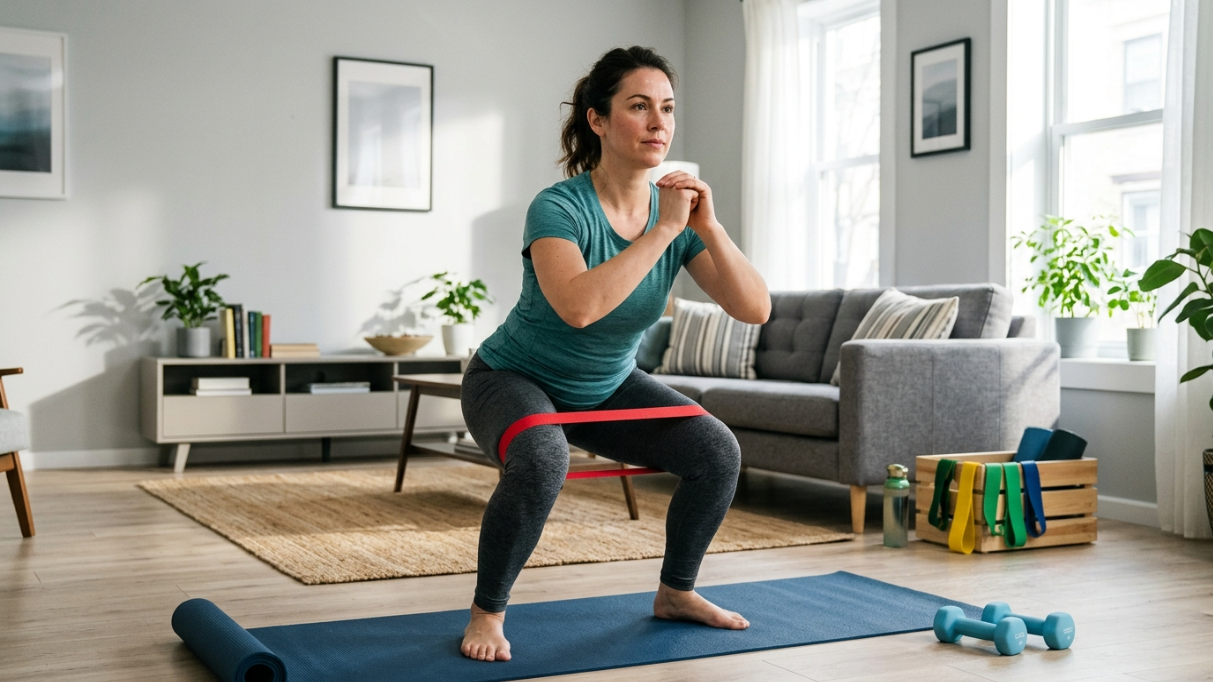
This one surprised me. Resistance training actually improves how your cells respond to insulin, which is a huge deal when you’re managing diabetes. You don’t need a squat rack or a gym full of plates. A simple set of resistance bands does the job.
I bought a Fit Simplify band set for under fifteen dollars and started with basic moves: banded squats, bicep curls, lateral walks, and seated rows. Three times a week, 20 minutes each. Within a month, my A1C check showed improvement, and my endocrinologist specifically asked what I’d changed. Resistance bands are lightweight, portable, and perfect for home workouts.
Easy Fitness Routines for People With Diabetes Who Hate the Gym
Not everyone wants to set foot in a gym, and that’s completely fine. Some of the best routines happen at home, in the backyard, or at a park.
Bodyweight circuits are my go-to when I want a solid workout without leaving the house. I rotate through wall push-ups, standing calf raises, bodyweight squats, and bird-dogs. I set a timer for 20 minutes and move through each exercise for 45 seconds with 15 seconds of rest between them. No equipment. No commute. No excuses.
YouTube channels like HASfit and Grow Young Fitness have free follow-along videos specifically designed for low-impact workouts. I’ve used both, and they feel like working out with a patient friend rather than a drill sergeant.
4. Swimming and Water Aerobics
If joint pain or neuropathy makes land-based exercise uncomfortable, water is your best friend. Swimming burns calories, strengthens muscles, and puts almost zero stress on your joints. I started going to my local YMCA pool twice a week, and it became the workout I actually looked forward to.
Water aerobics classes are especially good because they’re social and structured. Someone tells you what to do, you move at your own pace, and the water supports your body the entire time. Many community centers offer classes specifically for older adults or people with chronic conditions. The buoyancy takes pressure off your feet, which matters a lot if you’re dealing with diabetic neuropathy.
5. Yoga for Stress and Blood Sugar Control
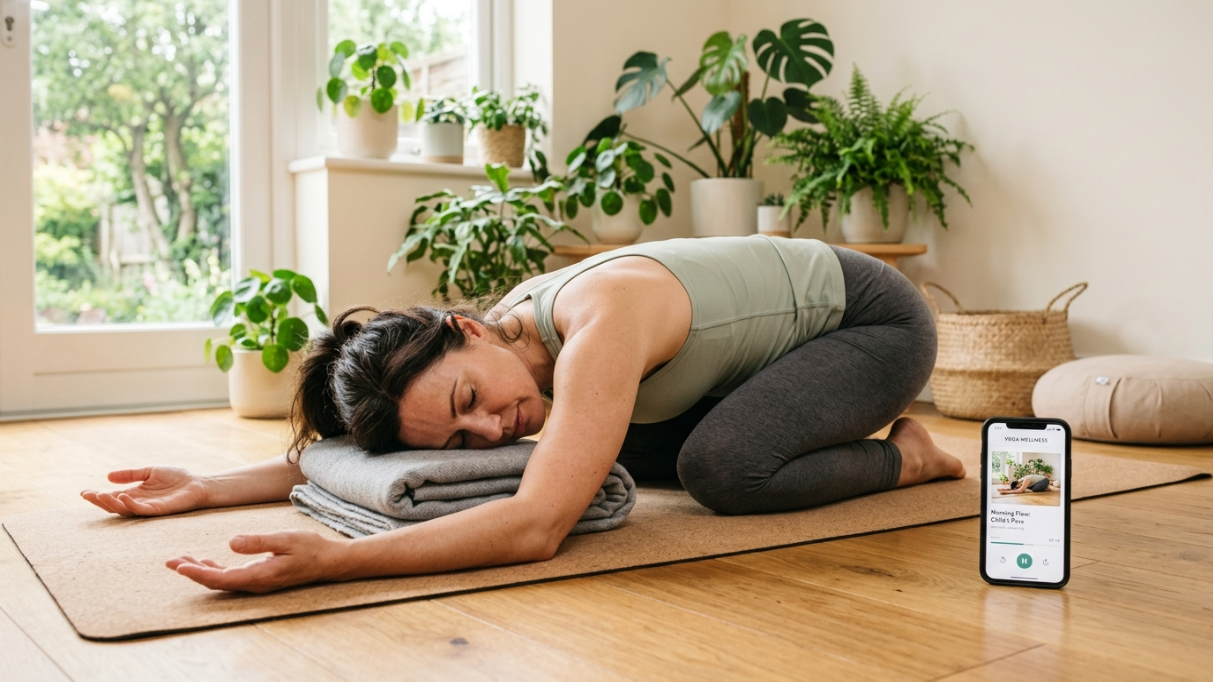
Stress spikes cortisol. Cortisol spikes blood sugar. It’s a frustrating cycle, and yoga breaks it. I was skeptical at first because yoga felt too slow to count as “real exercise.” I was wrong.
Gentle yoga flows improve flexibility, reduce stress hormones, and help with balance, which becomes increasingly important as you manage diabetes long-term. I use the Down Dog app, which lets you customize session length, difficulty, and focus area. A 20-minute beginner flow three times a week has genuinely helped my post-meal numbers stay more stable. The breathing techniques alone are worth it for those moments when your glucose monitor shows a number you didn’t expect.
6. Cycling, Indoors or Outdoors
Cycling is low-impact, easy to scale, and fantastic for cardiovascular health. I ride a basic stationary bike at home on rainy days and take my old Trek hybrid out on weekends when the weather cooperates.
The beauty of cycling for diabetes management is that you control the intensity completely. Feeling strong? Push harder. Having a low-energy day? Pedal slowly and enjoy the scenery. Even 20 minutes of moderate cycling can lower blood glucose levels for hours afterward. If you’re buying a stationary bike, the Sunny Health & Fitness models on Amazon are affordable and surprisingly sturdy. I’ve had mine for three years with zero issues.
7. Dancing as a Sneaky Cardio Workout
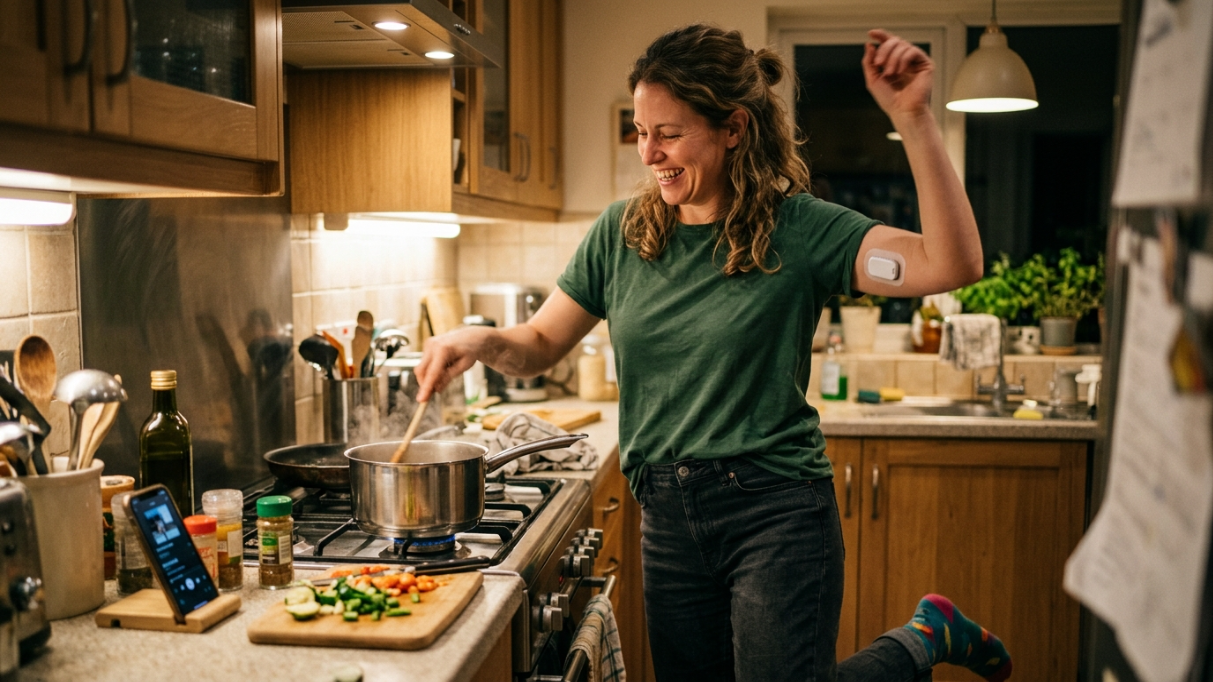
I almost didn’t include this because it sounds silly, but dancing is legitimately one of the most effective ways I move my body. Put on a playlist, close the blinds if you’re self-conscious, and just move for 15 to 20 minutes.
Dancing raises your heart rate, works multiple muscle groups, and releases endorphins without feeling like “exercise.” I follow along with YouTube dance workouts from The Fitness Marshall and 305 Fitness when I want structure. On other days, I just freestyle in my kitchen while dinner cooks. My continuous glucose monitor has shown real-time drops during these sessions. It works, and it’s fun.
How to Build a Weekly Routine That Sticks
Knowing individual exercises is great, but stringing them into a sustainable weekly plan is where most people struggle. Here’s what works for me after years of trial and error.
I aim for five days of movement per week, with two rest days. Monday and Thursday are resistance band days. Tuesday and Friday are walking or cycling days. Wednesday is yoga. Weekends are flexible, sometimes I dance, sometimes I swim, sometimes I rest both days if my body needs it.
The biggest mistake I made early on was going too hard and burning out within two weeks. Start with three days per week and build from there. Track your blood sugar before and after workouts for the first month so you can see which activities help you most. That data becomes incredibly motivating.
Timing Your Workouts Around Meals
One practical tip that made a big difference: I exercise 30 to 60 minutes after eating. Post-meal movement blunts glucose spikes more effectively than pre-meal exercise for most people with Type 2 diabetes. My endocrinologist confirmed this, and my CGM data backs it up consistently.
Staying Safe During Exercise
Always carry a fast-acting glucose source like glucose tablets or juice when you work out. Hypoglycemia can sneak up on you, especially if you take insulin or sulfonylureas. I keep a small tube of Glucose SOS in my pocket during every session. Check your feet before and after exercise if you have neuropathy, and wear proper shoes even for home workouts.
FAQs
What are the best easy fitness routines for people with diabetes who are just starting out?
Walking and chair exercises are the two safest starting points. They require no equipment, minimal effort to begin, and you can do them at any fitness level. Start with 10 to 15 minutes a day and gradually increase. The goal isn’t intensity. It’s consistency. Your body will adapt, and you can add resistance training or cycling as you get more comfortable.
How often should someone with diabetes exercise each week?
The American Diabetes Association recommends at least 150 minutes of moderate activity per week, spread across at least three days. That breaks down to about 30 minutes five days a week. But honestly, even three days makes a noticeable difference in blood sugar control. Don’t let the “ideal” number stop you from starting with whatever you can manage right now.
Can exercise replace diabetes medication?
Exercise is a powerful tool for managing blood sugar, but it shouldn’t replace medication without your doctor’s approval. Some people with Type 2 diabetes do reduce or eliminate medications through consistent exercise and dietary changes over time. That’s a conversation for you and your endocrinologist, not a decision to make on your own based on a blog post.
Is it safe to exercise with high blood sugar?
If your blood sugar is above 250 mg/dL and you have ketones present, skip the workout. Exercise can actually raise blood sugar further in that situation. If you’re above 250 without ketones, light activity like walking may be okay, but check with your doctor first. For readings between 150 and 250, moderate exercise usually helps bring numbers down.
What time of day is best for exercising with diabetes?
Post-meal exercise, especially after your largest meal, tends to produce the biggest blood sugar benefits. That said, any time you can consistently show up is the best time. Morning walkers and evening cyclists both see improvements. Pick the slot that fits your life and protect it like an appointment you can’t cancel.
Do I need a continuous glucose monitor to exercise safely?
A CGM isn’t required, but it’s incredibly helpful. Devices like the Dexcom G7 or FreeStyle Libre 3 show real-time glucose trends during exercise, which helps you learn how your body responds to different activities. If a CGM isn’t accessible, checking your blood sugar with a standard meter before and after workouts gives you solid data to work with.
Conclusion
Moving your body with diabetes doesn’t need to feel like a punishment or a medical obligation. The routines that actually work are the ones that fit your life, respect your energy levels, and make you feel better when you’re done. What’s the one workout from this list you’re going to try this week?