Simple Workout Routines for Gluten Intolerant People
When I first started searching for simple workout routines for gluten intolerant people, I found exactly nothing useful. Every fitness article assumed a healthy gut and endless energy. Meanwhile, I was dealing with bloating that made planks feel like torture and fatigue that hit like a wall mid-workout. If you’ve ever abandoned a gym session because your stomach decided to revolt, you already know this frustration. Training with gluten intolerance requires a different playbook, one I had to write for myself.
Why Gluten Intolerance Changes Your Workout Game
Most people don’t realize how deeply gluten intolerance affects exercise performance. It’s not just about avoiding bread. When your gut is inflamed, your body absorbs fewer nutrients. That means less iron, less B12, less magnesium, all the stuff your muscles desperately need during a workout.
I spent months wondering why I couldn’t recover from basic strength sessions. Turns out, my body was fighting inflammation instead of repairing muscle tissue. Once I understood this connection, I stopped blaming laziness and started building routines around my actual biology.
The key shift? Timing workouts around digestion, choosing lower-impact movements on flare days, and fueling with foods that don’t trigger symptoms. It sounds obvious now, but nobody told me this when I was struggling through CrossFit classes feeling like garbage.
Building Simple Workout Routines for Gluten Intolerant People
Here’s where I landed after two years of trial and error. These routines aren’t watered down or “easy.” They’re strategic. They account for energy fluctuations, gut sensitivity, and the recovery gaps that come with malabsorption.
The 3-Day Foundation Split
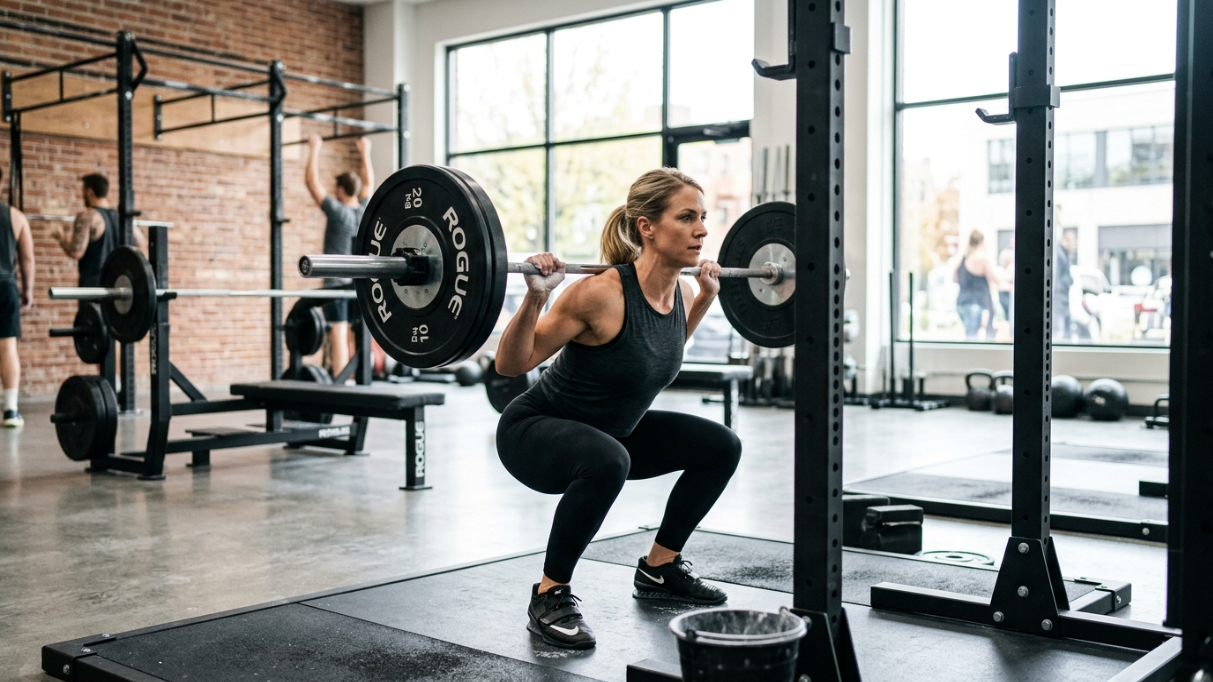
I train three days a week when my gut is cooperating. Monday is upper body push (bench press, overhead press, tricep work). Wednesday is lower body (squats, Romanian deadlifts, lunges). Friday is upper body pull (rows, pull-ups, bicep curls).
Each session takes 35 to 40 minutes. I keep rest periods at 90 seconds because longer breaks let my mind wander to how my stomach feels, which never helps. Three working sets per exercise, rep ranges between 8 and 12. Nothing fancy. Consistency beats complexity every single time.
The Flare Day Backup Routine
Bad gut days happen. You wake up bloated, fatigued, maybe a little nauseous. Skipping entirely feels wrong, but pushing through a heavy session makes things worse.
My backup routine is a 20-minute bodyweight flow. I do wall push-ups, glute bridges, bird-dogs, and standing calf raises. Everything is low-pressure on the abdomen. No crunches, no burpees, nothing that compresses the gut. I finish with 5 minutes of gentle stretching.
This routine saved my consistency. Instead of taking full rest days every time my stomach acted up, I had something I could always do. That mental win matters more than you’d think.
Also Read: Affordable Exercise Plans for High Blood Pressure Management 2026
Cardio That Won’t Wreck Your Stomach
Running was the first thing I had to modify. The jarring impact of pavement running on an inflamed gut is brutal. I switched to walking on an incline, and honestly, the calorie burn is comparable without the intestinal chaos.
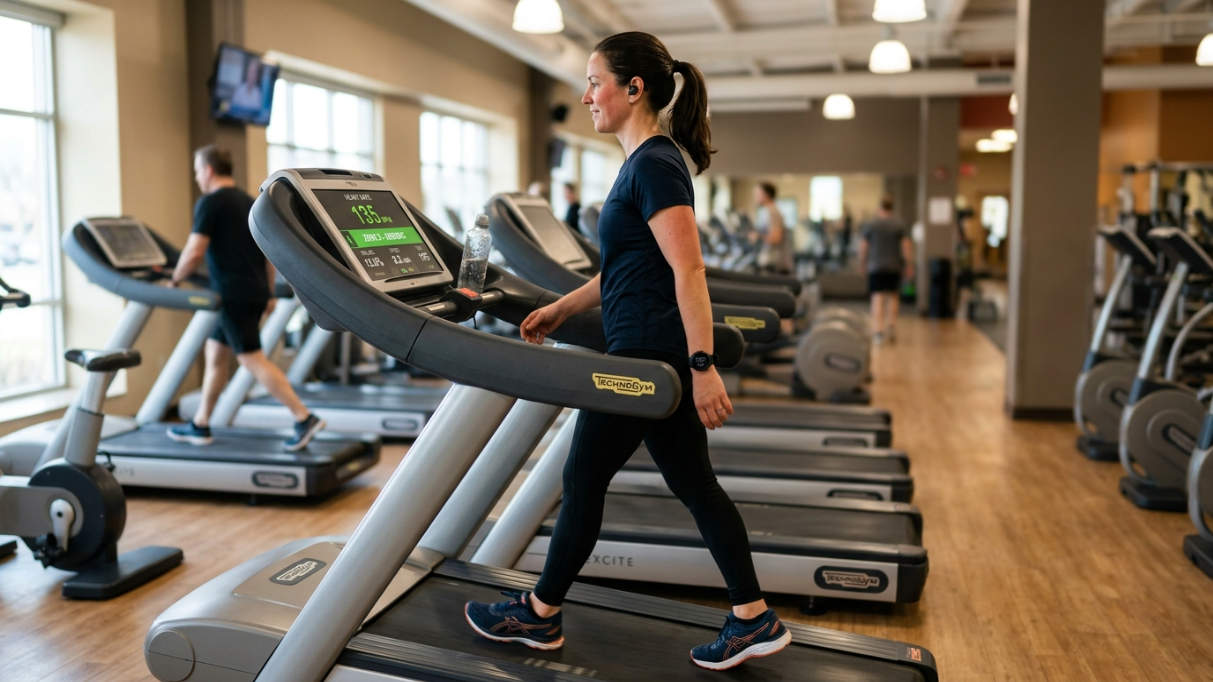
A 30-minute walk at a 10 to 12 percent incline on a treadmill, speed around 3.2 mph, gets my heart rate into the 130 to 140 range. That’s solid zone 2 cardio. I do this two to three times a week, usually on non-lifting days.
Swimming is another winner. The horizontal position actually reduces pressure on your digestive system. I try to get one pool session in per week, usually 20 to 25 laps at a comfortable pace. If you have access to a pool, seriously consider it. My bloating symptoms are noticeably better on days I swim versus days I run.
Cycling works too, but I’d avoid spin classes where you’re hunched over handlebars. That compression on your midsection during a flare is not your friend. A recumbent bike is a better option.
Pre-Workout Nutrition Without the Gut Bomb
Most pre-workout supplements contain ingredients that irritate sensitive stomachs. Artificial sweeteners, certain thickeners, and mystery “natural flavors” can all contain hidden gluten or trigger similar inflammatory responses.
I ditched pre-workout powders entirely. Instead, I eat a small meal about 90 minutes before training. My go-to is a banana with two tablespoons of almond butter, or a small bowl of certified gluten-free oats with blueberries. Bob’s Red Mill gluten-free oats have been my staple for over a year now.
For caffeine, black coffee works perfectly. No additives, no risk. I have one cup about 60 minutes before I lift. Simple, cheap, effective.
Post-workout, I blend a shake with Orgain plant-based protein powder (which is certified gluten-free), frozen mango, spinach, and coconut water. Recovery nutrition matters even more for us because our absorption rates are already compromised. Getting protein in within 45 minutes of training genuinely makes a difference in how I feel the next day.
Core Training That Respects Your Gut
Traditional ab workouts are a minefield for gluten intolerant people. Sit-ups, V-ups, and heavy weighted crunches all compress the abdomen. On a good day, fine. On a day with even mild bloating, they can trigger cramps and serious discomfort.
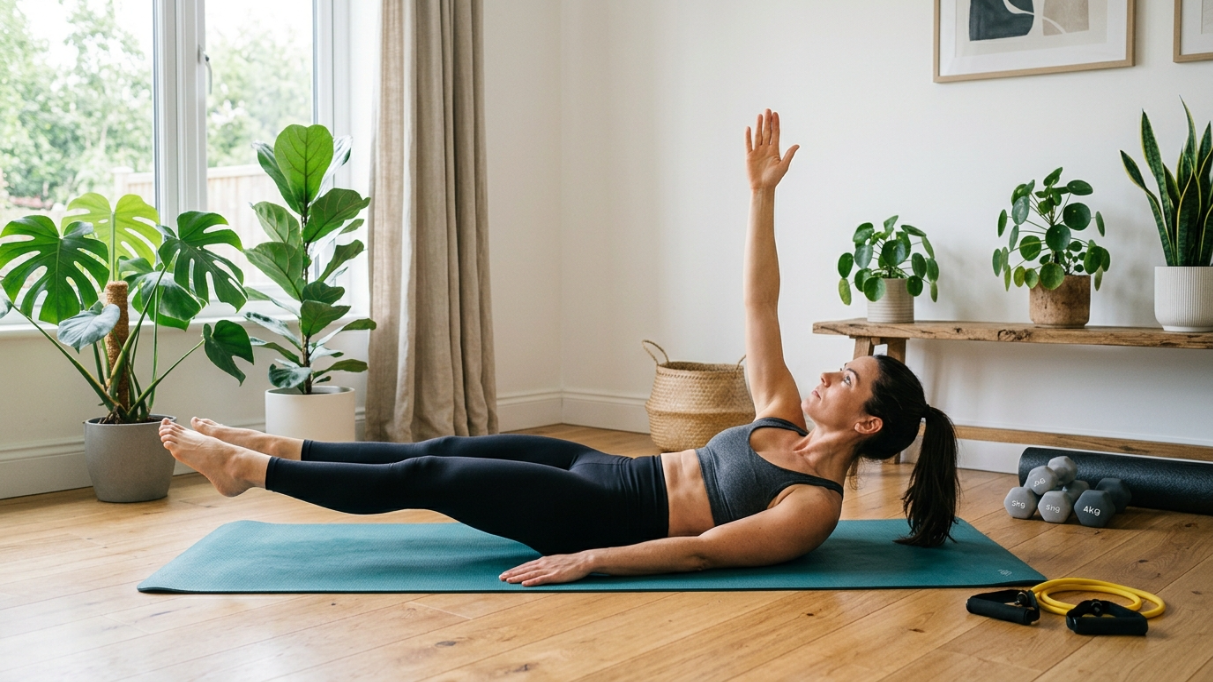
I rebuilt my core routine around anti-movement exercises. These train your core to resist motion rather than create it. Dead bugs, Pallof presses, plank variations, and suitcase carries are my core four. They build real functional strength without putting direct pressure on your gut.
Here’s my typical core circuit:
- Dead bugs: 3 sets of 10 per side
- Pallof press holds: 3 sets of 20 seconds per side
- High plank shoulder taps: 3 sets of 12 per side
- Farmer carries: 3 sets of 40 steps
I run through this circuit twice a week, usually tacked onto the end of my strength sessions. It takes about 12 minutes. My core is stronger now than it ever was doing hundreds of crunches, and I never feel like I’m going to be sick halfway through.
Recovery Strategies That Actually Help
Recovery is where gluten intolerant athletes lose the most ground. Chronic low-grade inflammation means your muscles take longer to repair. Sleep quality often suffers too, since gut discomfort loves to show up right when you lie down.
I added magnesium glycinate before bed, 400mg nightly. It helps with both muscle recovery and sleep quality. My gastroenterologist actually recommended this specific form because it’s gentler on the stomach than magnesium citrate.
Foam rolling after every session is non-negotiable for me now. I spend 5 to 8 minutes hitting my quads, hamstrings, upper back, and calves. A basic foam roller from Amazon works perfectly. You don’t need a $90 Theragun to recover well, though I won’t pretend I haven’t eyed one.
Cold showers post-workout have helped reduce my overall inflammation levels. I’m not talking ice baths. Just the last 60 seconds of my shower turned to cold. It sucked at first. Now I genuinely look forward to it. The reduction in joint aches alone made it worth the discomfort.
Tracking Progress When Your Body Is Unpredictable
One of the hardest parts of training with gluten intolerance is that your performance fluctuates wildly. Monday you squat 185 pounds feeling great. Thursday you can barely manage bodyweight lunges because you accidentally ate something that didn’t agree with you.
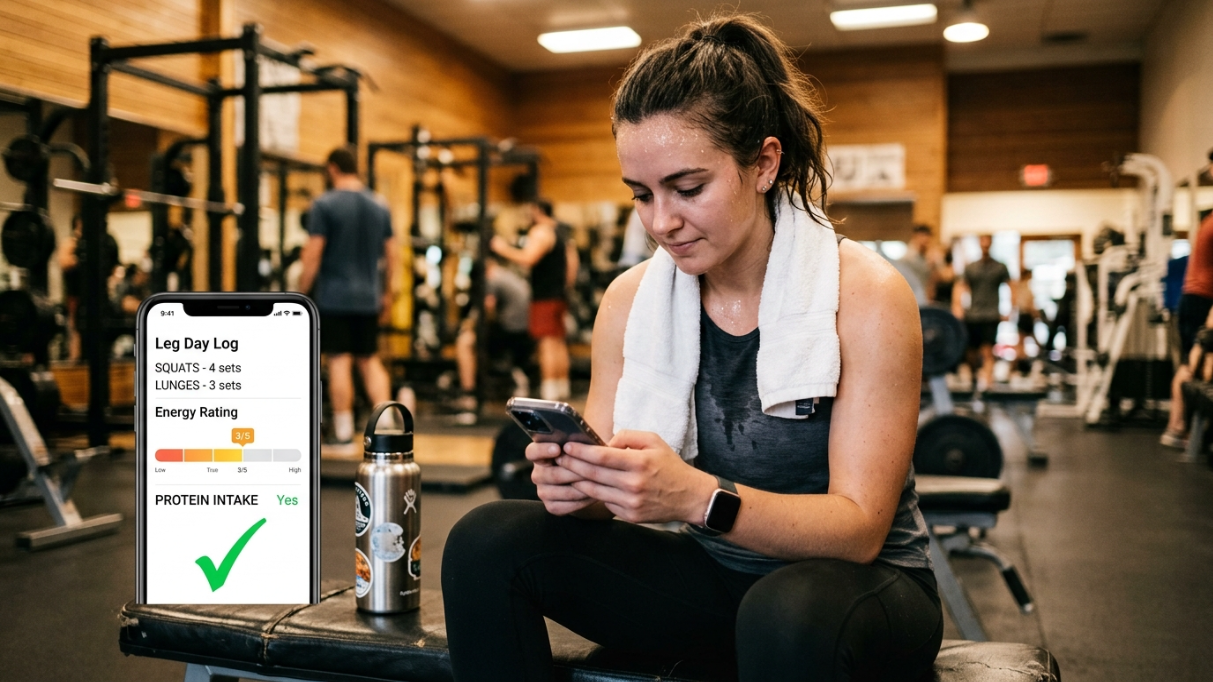
I stopped measuring progress purely by weight on the bar. Instead, I track three things weekly: total sessions completed, average energy rating (1 to 10 scale, logged after each workout), and whether I hit my protein goal for the day.
A simple notes app works for this. I used to use a fancy fitness journal, but honestly, typing a quick note right after training is more sustainable. The patterns become obvious after a few weeks. I noticed my worst training days consistently followed meals at restaurants, which helped me tighten up my eating habits on training days.
FAQs
Can gluten intolerance affect muscle growth?
Yes, absolutely. Gluten intolerance often causes malabsorption, which means your body doesn’t fully process the protein, iron, and vitamins you eat. This directly slows muscle repair and growth. Prioritizing certified gluten-free whole foods and timing your protein intake around workouts helps offset this. It’s not a dealbreaker, but you do need to be more intentional about nutrition.
What are the best simple workout routines for gluten intolerant beginners?
Start with two to three full-body sessions per week using basic movements like squats, push-ups, rows, and glute bridges. Keep sessions under 30 minutes. Avoid heavy core compression exercises until you understand how your body responds. Build up slowly and always have a lower-intensity backup routine ready for days when your gut isn’t cooperating.
Should I avoid exercising during a gluten flare-up?
You don’t have to skip entirely, but dial it way back. Light walking, gentle stretching, or a short bodyweight flow is usually fine. Heavy lifting or high-intensity cardio during a flare can worsen inflammation and delay gut healing. Listen to your body. If you feel genuinely awful, rest without guilt. One day off won’t erase your progress.
Are protein powders safe for gluten intolerant people?
Many are, but you need to check labels carefully. Look for “certified gluten-free” on the packaging, not just “gluten-free” claims. Brands like Orgain, Garden of Life, and Klean Athlete offer verified options. Avoid protein powders with long ingredient lists full of additives, thickeners, or artificial flavors, since these can trigger gut symptoms even without containing gluten.
How do I fuel long workouts without gluten?
Rice cakes with honey, bananas, dates, and sweet potatoes are all excellent fuel sources. For sessions over an hour, I sip on coconut water mixed with a pinch of salt for electrolytes. Avoid commercial sports drinks unless they’re certified gluten-free. Most energy gels from brands like GU or Huma are safe, but always double-check the specific flavor.
Conclusion
Training with gluten intolerance isn’t about doing less. It’s about being smarter with what you do, when you do it, and how you recover afterward. The routines I’ve shared here took me real time and real gut pain to figure out, so I hope they save you some of that frustration. What’s been your biggest workout challenge since going gluten-free?