Affordable Exercise Plans for High Blood Pressure Management
Nobody warns you how expensive getting healthy can feel when your doctor hands you a high blood pressure diagnosis. Affordable exercise plans for high blood pressure management were the only path forward for me after my readings hit 148 over 94 and my budget had zero room for personal trainers or fancy gym memberships. I figured out what actually moves the needle on blood pressure numbers without spending much at all, and the results genuinely surprised me.
Why Cheap Workouts Work Just as Well as Expensive Ones
Here is the honest truth about cardiovascular health: your arteries do not care whether you paid two hundred dollars a month for a boutique fitness class or walked around your block for free. Blood vessels respond to consistent movement, full stop. The research backs this up completely. A 2023 meta-analysis published in the British Journal of Sports Medicine confirmed that isometric exercises, brisk walking, and aerobic training produce clinically significant systolic reductions of five to eight points over eight to twelve weeks.
What drives results is regularity and intensity, not the price tag on your workout gear. I wasted six months believing I needed expensive equipment before finally accepting that my neighborhood and a twenty-dollar resistance band were perfectly adequate tools for managing my cardiovascular health.
Start Here: Know Your Numbers Before Moving a Muscle
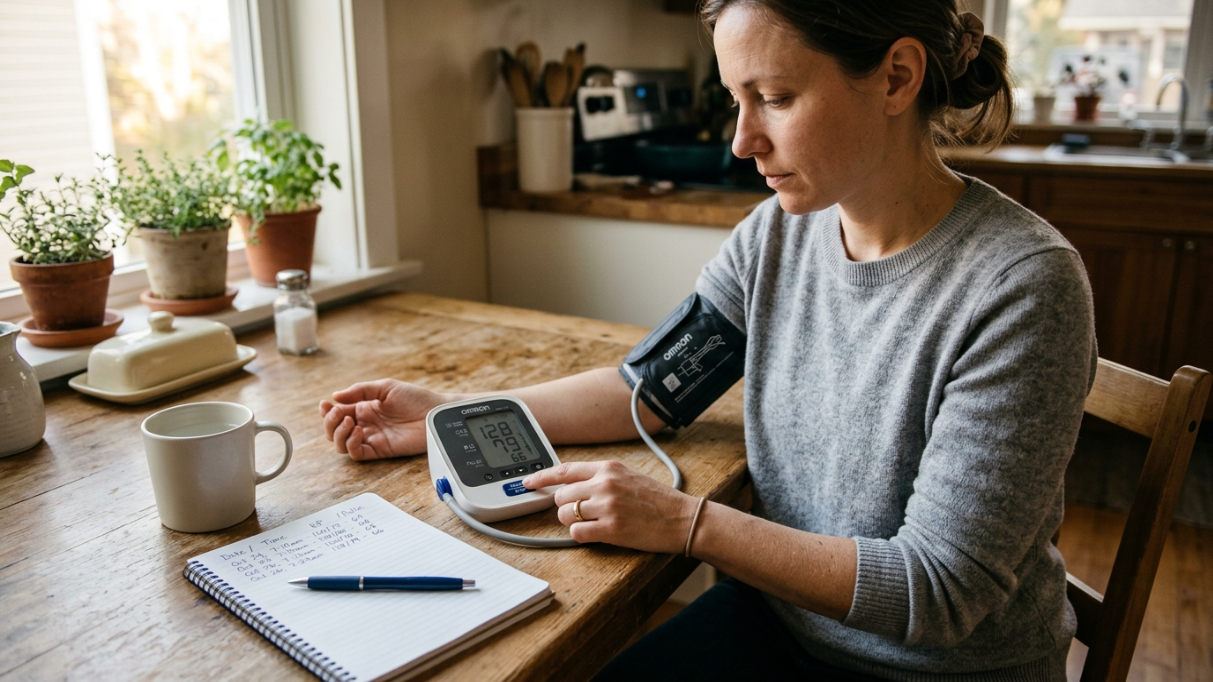
Jumping straight into workouts without tracking your baseline is one of the most common mistakes people make. You need a reliable home blood pressure cuff before anything else. The Omron Platinum BP5450 costs around fifty dollars and syncs wirelessly to your smartphone through the free Omron Connect app. It gives you accurate dual-user readings that you can share directly with your physician at your next appointment.
Take your blood pressure every morning before getting out of bed, and again thirty minutes after finishing each workout for the first two weeks. This gives you real data showing which exercises drop your numbers most effectively. Without this information, you are exercising blind and guessing whether your routine is making any difference at all. Seeing an actual drop on the screen after a workout is genuinely motivating in a way that no fitness influencer could replicate.
Affordable Exercise Plans for High Blood Pressure Management: The Weekly Framework
Building a sustainable weekly schedule costs nothing and produces better results than random sporadic workouts. The American Heart Association recommends 150 minutes of moderate aerobic activity weekly, which breaks down cleanly into five thirty-minute sessions. I structure mine this way:
- Monday, Wednesday, and Friday for aerobic cardio
- Tuesday and Thursday for isometric holds and light resistance work
- Saturday for a longer leisure walk or gentle yoga
- Sunday as a full rest and recovery day
This framework keeps your cardiovascular system consistently stimulated without pushing into overtraining territory, which can actually spike cortisol levels and temporarily raise blood pressure. Consistency over three months produced a twelve-point reduction in my morning systolic reading. My cardiologist reduced my medication dosage shortly after reviewing three months of my tracking spreadsheet.
Brisk Walking: Your Free Blood Pressure Medication
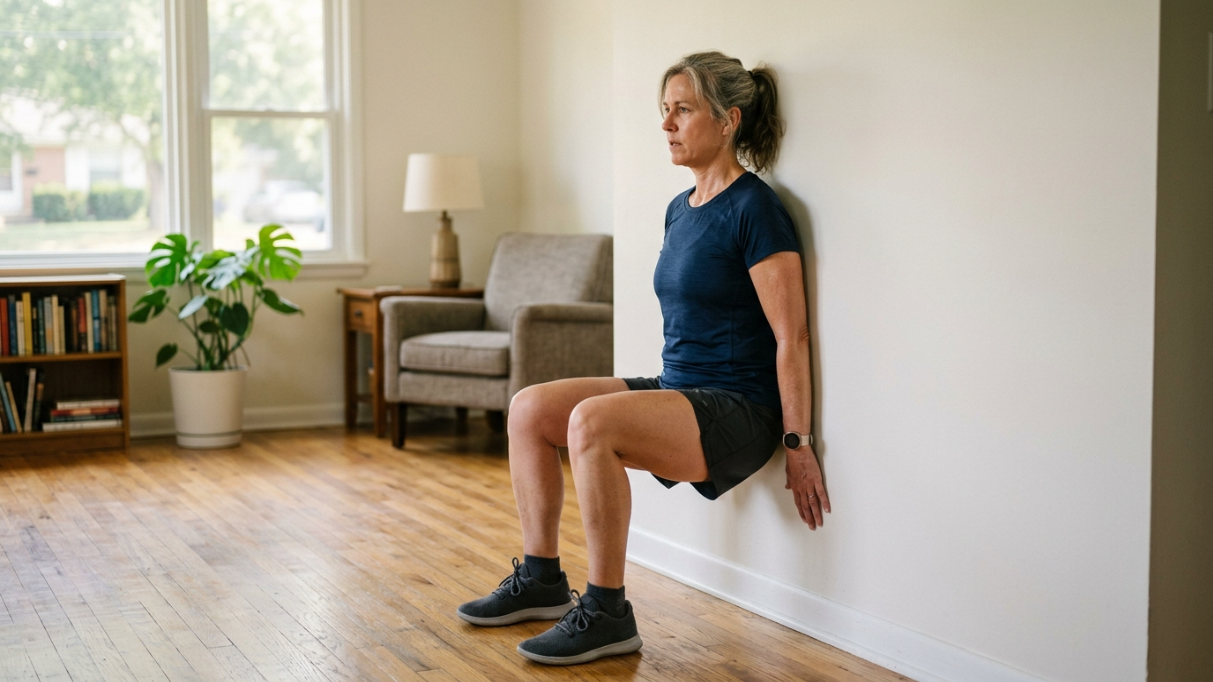
Walking sounds almost embarrassingly simple, but the physiological impact is genuinely significant. A brisk thirty-minute walk stimulates nitric oxide production inside your arterial walls, causing blood vessels to dilate and allowing blood to flow with less resistance and lower pressure. The key word is brisk. You need to walk fast enough that conversation requires a little effort.
I use the free MapMyWalk app to track my pace and distance without paying for any premium subscription. A consistent pace between 3.2 and 3.8 miles per hour produces the sweet spot of moderate cardiovascular intensity. If weather makes outdoor walking impossible, YouTube channels like Leslie Sansone’s Walk at Home offer completely free indoor walking workouts that range from fifteen to sixty minutes. FYI, the fifteen-minute version on rough days still counts and still helps.
Progression Without a Personal Trainer
Add five minutes to your walking duration every two weeks rather than increasing pace dramatically. This gradual progression builds aerobic capacity without causing unsafe blood pressure spikes during exercise. After eight weeks of consistent brisk walking, most people notice resting heart rate decreasing by three to five beats per minute, which reflects measurable cardiovascular improvement.
Also Read: Easy Fitness Routines for People With Diabetes That Work 2026
Isometric Wall Sits Cost Nothing and Drop Blood Pressure Fast
This one genuinely surprised me when I first read the research behind it. A 2023 study published in the British Journal of Sports Medicine analyzed 270 clinical trials and found that isometric exercises produced the largest blood pressure reductions of any exercise type tested, beating traditional cardio by a meaningful margin.
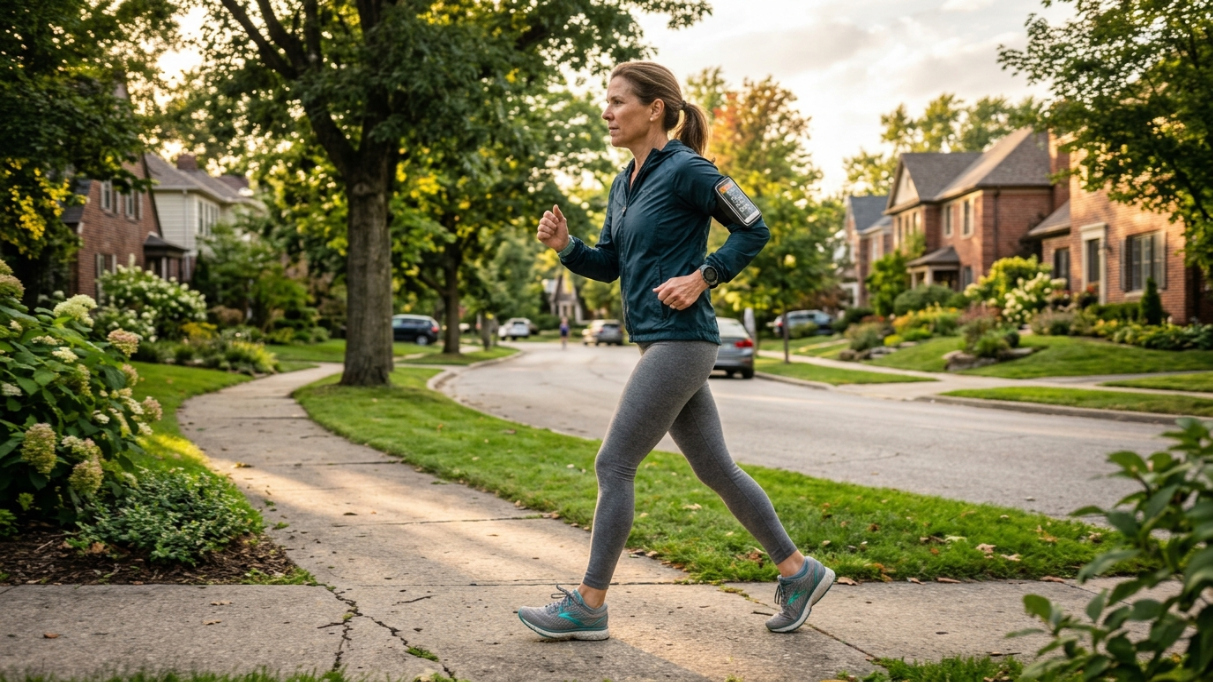
Wall sits are exactly what they sound like. You press your back flat against a wall, slide down until your thighs are parallel to the floor, and hold that position for two minutes. Rest for two minutes. Repeat four times. Three sessions per week is the studied protocol that produced the most significant results. The burning sensation in your quadriceps during the hold is uncomfortable but completely manageable. Your body adapts faster than you expect. Within three weeks I went from barely surviving ninety seconds to holding the full two minutes with relative ease.
Resistance Bands: Ten Dollars, Serious Cardiovascular Benefits
A basic loop resistance band set from Amazon Basics or Fit Simplify costs under fifteen dollars and provides months of effective workouts. Unlike heavy barbell exercises that cause dangerous blood pressure spikes from breath-holding under load, elastic resistance allows smooth continuous breathing throughout every repetition.
High-repetition, low-load band exercises build lean muscle tissue that improves insulin sensitivity and reduces arterial inflammation over time. My go-to routine includes:
- Seated rows with a long resistance band anchored to a door handle
- Standing banded squats with a medium-tension loop band
- Banded chest presses performed lying on a yoga mat
- Lateral band walks targeting hip abductors and glutes
I do three sets of fifteen to twenty repetitions for each movement, exhaling deliberately during the hardest part of every rep. This breathing pattern prevents the dangerous Valsalva effect that causes sudden pressure spikes during resistance training. The whole routine takes twenty-five minutes and costs nothing beyond the initial band purchase.
Free Yoga and Breathing Exercises for Stress-Driven Hypertension
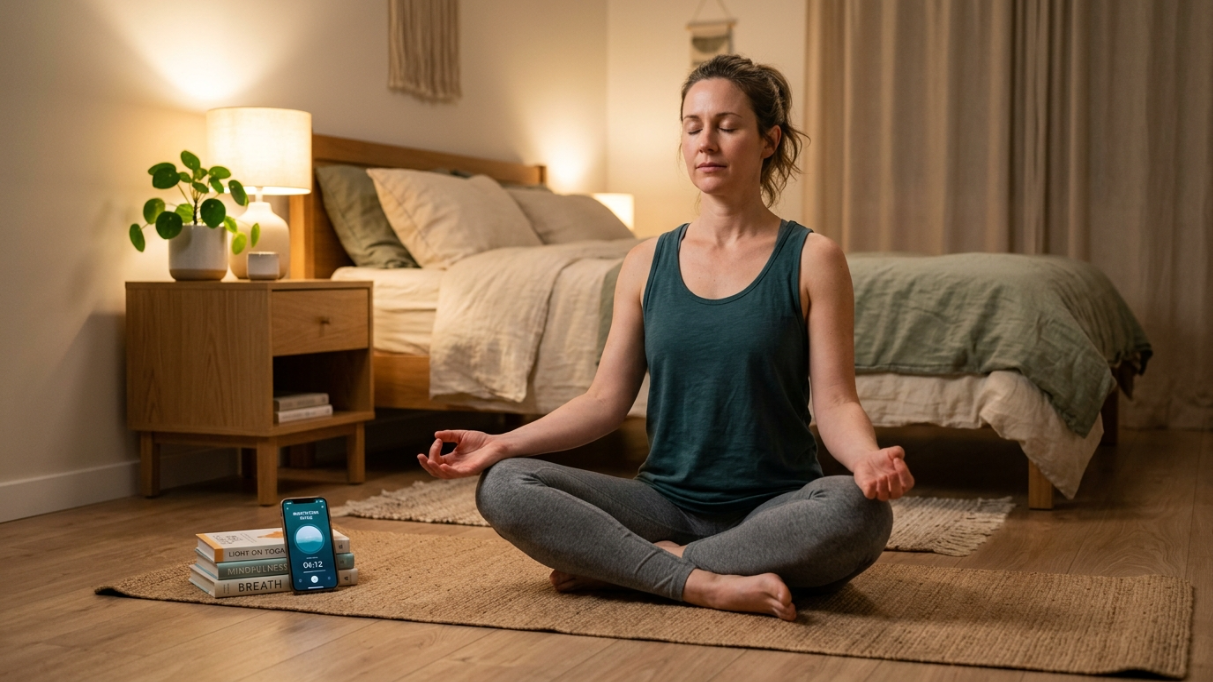
Chronic stress is a significant contributor to persistently elevated blood pressure, and no amount of walking fixes it if your nervous system stays locked in fight-or-flight mode around the clock. Gentle yoga and structured breathing exercises activate the parasympathetic nervous system, which physically slows your heart rate and relaxes the smooth muscle tissue lining your arterial walls.
The Down Dog app offers a fourteen-day free trial and charges a very reasonable annual fee afterward. YouTube channels including Yoga With Adriene provide hundreds of free gentle flow videos ranging from ten to forty-five minutes. I practice diaphragmatic breathing every night before bed using the 4-7-8 technique: inhale for four counts, hold for seven, exhale slowly for eight. My evening diastolic readings consistently run four to six points lower on nights I complete this practice compared to nights I skip it.
Tracking Progress Without Expensive Gadgets
Smartwatches that claim to measure blood pressure optically from your wrist are not clinically accurate tools for managing hypertension. Save that money. A thirty to fifty dollar upper-arm cuff, a free Google Sheet, and consistent morning measurements give you infinitely more reliable data than any wrist wearable currently on the market.
Log your pre-workout and post-workout readings three times per week alongside your sleep hours and daily stress levels. Patterns will emerge within thirty days showing exactly which workouts, sleep amounts, and stress situations most directly affect your cardiovascular readings. Bring this spreadsheet to your doctor and watch their expression shift when they see organized, actionable data instead of vague reports. IMO, this simple tracking habit is the single most underrated tool in affordable exercise plans for high blood pressure management.
FAQs
How long before affordable exercise plans for high blood pressure management show real results?
Most people see measurable systolic reductions within three to four weeks of consistent activity. Meaningful long-term improvements, meaning drops of eight points or more, typically take eight to twelve weeks of sustained effort. Post-exercise hypotension, where your pressure drops below baseline after a workout, starts happening almost immediately, which is encouraging early feedback.
Can I exercise safely if my blood pressure is currently above 160?
Check with your doctor before starting any new exercise program if your readings consistently exceed 160 over 100. For most people in that range, gentle walking and breathing exercises are safe starting points. Avoid intense isometric holds or heavy resistance work until your numbers come down through medication or dietary changes first.
Is swimming a good option for managing high blood pressure affordably?
Swimming is excellent for cardiovascular health and joint-friendly for people with secondary conditions. Many community recreation centers offer very affordable monthly access rates, making it a reasonable budget option. The hydrostatic pressure of water also helps reduce peripheral vascular resistance during and after exercise, which directly benefits arterial health.
Do I need to avoid caffeine before working out with high blood pressure?
Caffeine causes temporary blood pressure increases of three to six points for most people. Avoiding coffee or energy drinks for at least thirty minutes before exercise prevents compounding that elevation with exercise-induced spikes. Some people are significantly more caffeine-sensitive than others, so tracking your numbers with and without pre-workout caffeine reveals your personal response clearly.
What is the biggest mistake people make with exercise and high blood pressure?
Going too hard too fast causes many beginners to experience alarming mid-workout spikes and then quit entirely. Starting at genuinely moderate intensity, where you can still speak in short sentences, protects you and builds the cardiovascular base your body needs. Intensity should increase very gradually over months, not days.
Conclusion
Your blood pressure does not care about your gym’s zip code or your equipment budget, and I say that from direct personal experience watching my own numbers fall through simple, cheap, consistent effort. The wall behind your couch, a fifteen-dollar band, and your neighborhood sidewalk are fully sufficient tools for meaningful cardiovascular improvement. Which of these approaches are you most likely to try first?