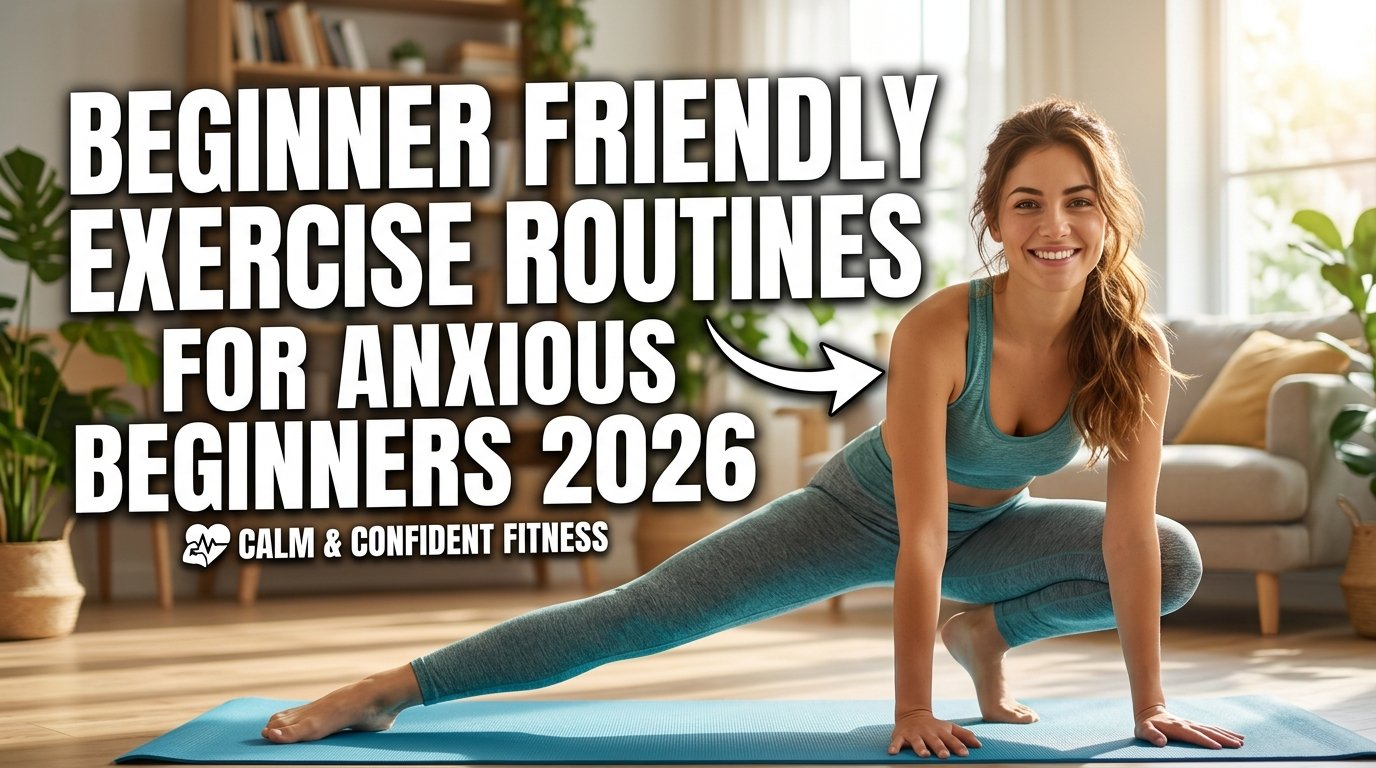
Beginner Friendly Exercise Routines for Anxious Beginners
The first time I tried to follow beginner friendly exercise routines for anxious beginners, I closed three browser tabs, abandoned a YouTube video four minutes in, and sat on my bedroom floor feeling worse than before I started. Anxiety has a way of turning even the simplest wellness advice into an overwhelming spiral. Too many choices, too much pressure, too many people who seem to already know exactly what they’re doing. Starting felt impossible. So I stopped trying to start perfectly and just started badly instead.
Why Anxiety Makes Starting a Fitness Routine So Hard
Most fitness content treats the mental barrier like a footnote. “Just get moving!” Sure. Thanks. Super helpful.
For people with anxiety, the hurdle isn’t laziness. It’s the internal noise that fires up the moment you consider doing something unfamiliar. What if I do it wrong? What if someone watches me? What if I hate it and quit and prove to myself that I can’t follow through? That last one is the brutal one. Anxiety hijacks the future before the present even gets a chance.
The other layer is physical. Anxiety already lives in the body as tension, shallow breathing, and a nervous system that runs hot. Adding intense exercise on top of that can actually feel threatening to an anxious nervous system, not energizing. This is why high-intensity boot camp style workouts are often the worst possible starting point for anxious beginners, even though that’s what most beginner programs push hardest.
Starting small on purpose isn’t giving up. It’s accurate.
How to Set Up Your Environment Before You Start
Before picking a single exercise, set up the space and conditions that make starting feel less loaded. This sounds minor. It’s genuinely not.
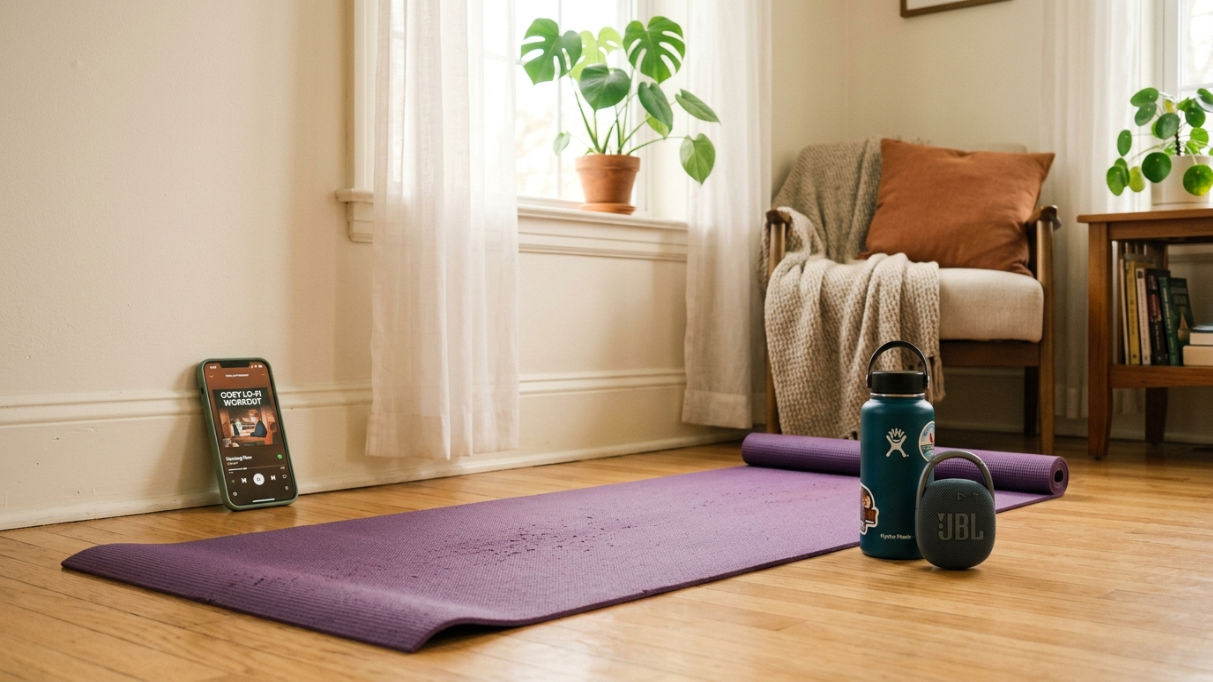
If you’re working out at home, clear a small area, even just enough for a yoga mat. Having a designated spot signals to your brain that this is a safe, familiar place. Consistency of location matters more than most people realize. The same spot, same time, same playlist or ambient sound, all of this reduces the novelty that anxiety feeds on.
Choose a time of day when your anxiety runs lowest. For many people, that’s mid-morning after the initial cortisol spike from waking has leveled out. Evening works for others. Trial and error here is fine. There’s no universally correct answer, only your answer.
One thing that helped me enormously was putting on the same playlist every single time I worked out. I use a Spotify playlist called “lo-fi chill beats” that I only play during workouts. After a few weeks, that music became a Pavlovian cue. Play the music, body knows it’s workout time. Anxiety drops a notch before I’ve done a single rep.
Beginner Friendly Exercise Routines for Anxious Beginners: Where to Actually Start
Here’s the honest truth about beginner friendly exercise routines for anxious beginners: the best routine is the one short enough that your anxiety can’t talk you out of finishing it.
I started with 10 minutes. Not because I was incapable of more, but because 10 minutes felt so small that it removed the exit ramp anxiety loves. You can’t really quit something that takes 10 minutes. By the time your brain starts negotiating, it’s already done.
Also Read: Quick Fitness Plans for Arthritis Sufferers That Work 2026
The 10-Minute Home Starter Routine
Do each exercise for 40 seconds, rest for 20 seconds, and cycle through the list twice:
- Slow marching in place
- Wall push-ups
- Seated knee lifts in a chair
- Standing side stretches, alternating sides
- Slow bodyweight squats to a chair, sitting briefly before standing again
That’s it. No equipment. No mirrors required. No one watching. This circuit gets blood moving, introduces basic movement patterns, and finishes before anxiety has time to build momentum against you. After two weeks of daily 10-minute sessions, moving to 15 or 20 minutes feels natural rather than forced.
Adding Structure Without Adding Pressure
Once 10 minutes feels genuinely easy, add one more exercise to the circuit rather than doubling the session length immediately. Glute bridges lying on the floor are a great addition. So are shoulder rolls and gentle cat-cow stretches from a hands-and-knees position. Progress should feel almost boring. That’s a good sign.
Walking Is a Legitimate Workout and Don’t Let Anyone Tell You Otherwise
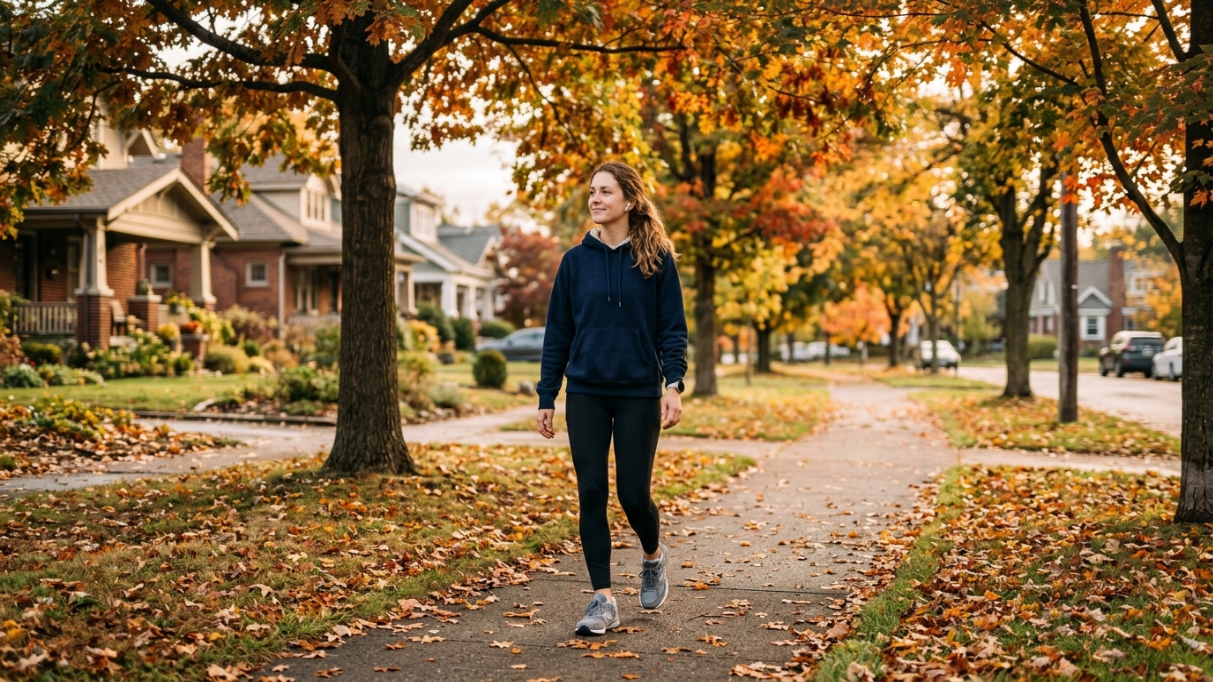
Somewhere along the way, walking got dismissed as “not real exercise.” That’s nonsense, especially for anxious beginners. Walking outside combines physical movement with environmental exposure, which genuinely reduces anxiety over time through a process called stress inoculation. Your nervous system gets mildly stimulated by the world and learns, repeatedly, that it can handle it.
Start with a 15-minute walk around your neighborhood. No route planning required. No step count goal. Just walk until 15 minutes passes and come home. Do this three times a week.
The research on walking and anxiety reduction is solid. A 2022 study published in JAMA Psychiatry found that even low-intensity walking significantly reduced anxiety symptoms over a 12-week period. You don’t need to hike a mountain. A loop around the block, done consistently, does real neurological work.
FYI, bringing earbuds with a podcast or audiobook can make walks feel less like exercise and more like a treat. I’ve finished entire books while walking, and barely noticed the 20 to 25 minutes pass.
Breathwork Built Into Movement
One thing traditional fitness routines skip entirely is breathing instruction, which is a significant oversight when your audience includes anxious people. Unmanaged breathing during exercise can trigger or worsen anxiety symptoms. Getting winded and feeling out of control are deeply intertwined for people whose nervous systems already run on high alert.
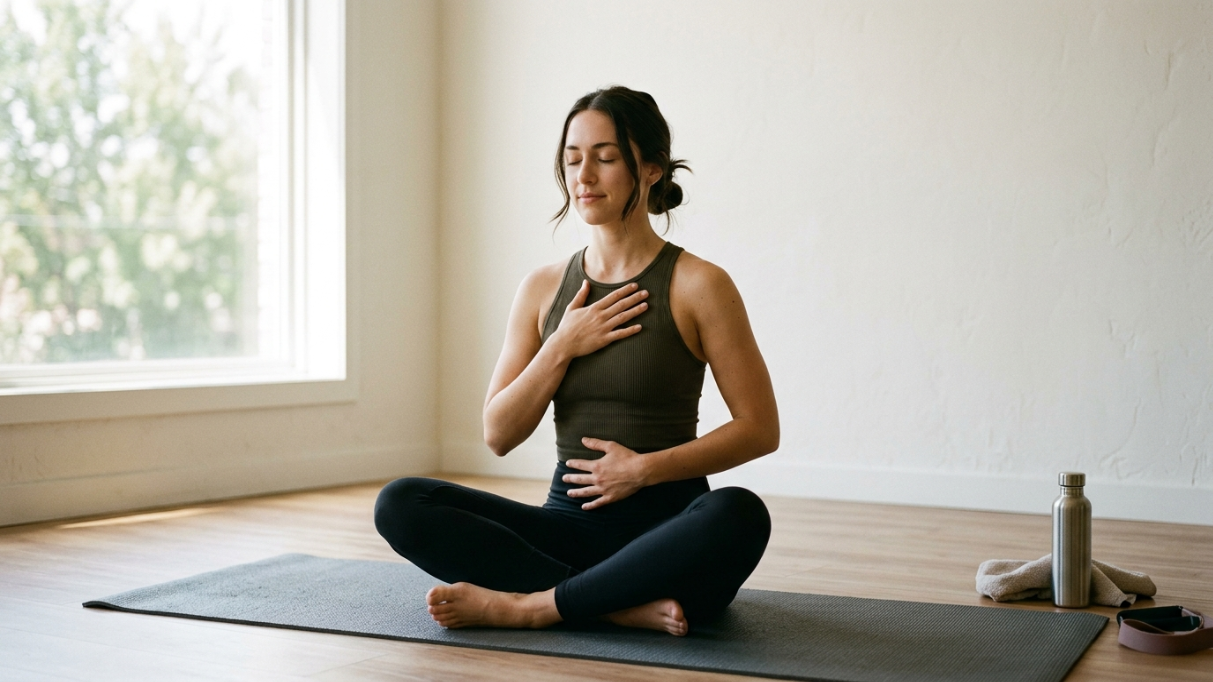
Before every workout, I spend two minutes on box breathing. Inhale for four counts, hold for four counts, exhale for four counts, hold for four counts. Repeat four times. This activates the parasympathetic nervous system and signals safety to a body that might otherwise interpret physical exertion as threat.
During the actual workout, I keep the effort level low enough that I can always breathe through my nose. If I can only breathe through my mouth, I’m going too hard. This is called nasal breathing threshold training, and it keeps the nervous system from spiking into fight-or-flight during exercise, which is exactly what anxious beginners need to avoid in the early weeks.
Yoga and Stretching as Entry Points, Not Afterthoughts
Plenty of people with anxiety find that yoga is the most accessible starting point of all. There’s no performance element, no real way to fail, and the combination of slow movement with deliberate breathing is almost medically precise for calming an overactive nervous system.
Yoga With Adriene on YouTube is the most genuinely beginner-friendly free resource I’ve found. Her “Yoga for Beginners” and “Yoga for Anxiety” playlists are careful, unhurried, and modification-heavy. Nothing feels competitive. Her energy is calm without being patronizing, which matters a lot when you’re already feeling fragile about starting.
Aim for three sessions per week of 15 to 20 minutes. Pair these with your walking days and the 10-minute home circuit, and you’ve built a complete, genuinely manageable weekly plan without overwhelming yourself.
Stretching sessions on their own also count. A full-body stretch sequence each morning that takes 8 to 10 minutes improves body awareness, reduces physical tension held from anxiety, and creates a movement habit that feels approachable even on the worst mental health days.
Managing the Mental Noise During a Session
Even with the gentlest routine in place, anxiety will still show up sometimes mid-workout. Your heart rate climbs and your brain offers up: “Is something wrong? Should you stop? This feels bad.” Learning to recognize that as noise rather than information takes practice, but there are concrete tools that help.
Counting reps out loud is one. It occupies the verbal part of your brain and cuts off the anxious internal monologue. Sounds a bit silly. Works remarkably well.
Grounding techniques during rest periods also help. Press your feet flat into the floor, notice five things you can see in the room, take three slow breaths. This brings you back into the present moment rather than letting anxiety carry you into imagined future discomfort.
IMO, the most underrated tool is keeping workout sessions short enough that you never have enough time to fully spiral. That’s not avoidance. That’s smart design for a brain that needs wins more than it needs volume.
Building a Habit Without the Pressure of Perfection
The anxious beginner’s relationship with streaks and consistency is complicated. Missing a day can feel catastrophic, which then makes the whole project feel ruined, which then makes quitting feel logical. This is an anxiety pattern, not a fitness truth.
Aim for three to four sessions per week, but define success loosely. If you managed one walk and two 10-minute home circuits in a week, that counts. Fully. No asterisk.
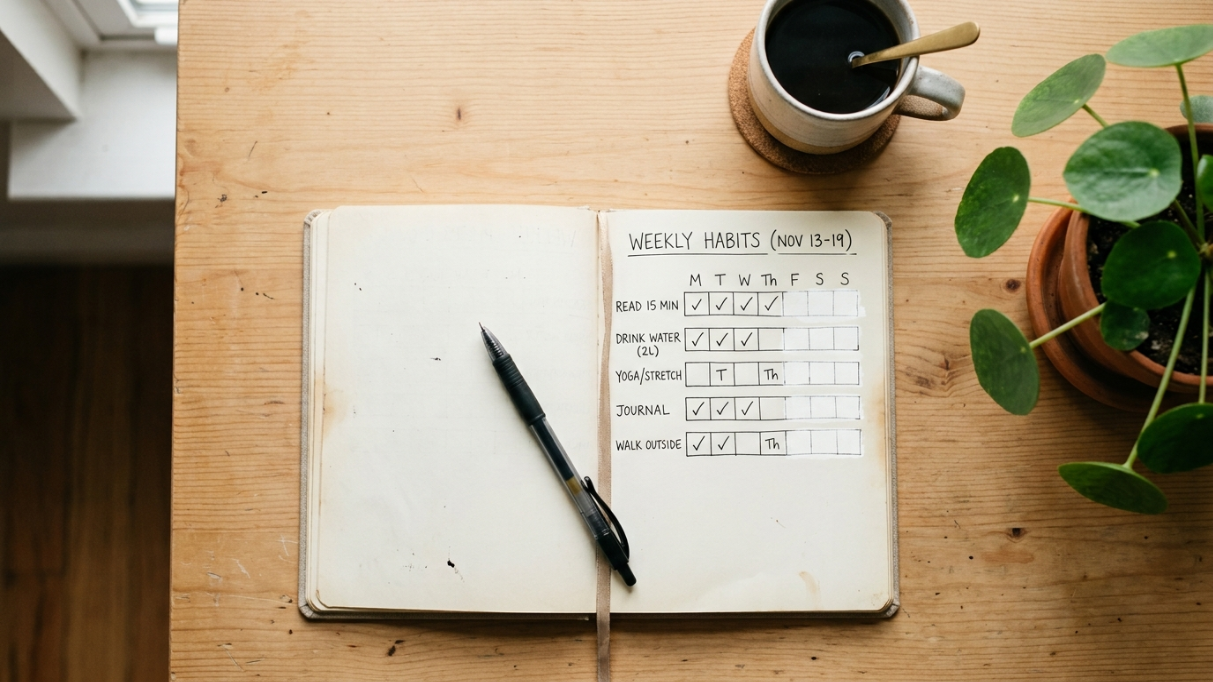
Tracking in a low-key way helps maintain momentum without creating pressure. A simple tally in a notes app works better than a fitness tracker with rings to close and streaks to maintain. Those gamified systems can backfire badly for anxious people who experience a missed day as failure rather than normal human variation.
Progress with beginner friendly exercise routines for anxious beginners is rarely linear. Some weeks will be great. Others will be one reluctant walk and a lot of stretching in bed. Both move the needle forward. Neither should be judged.
FAQs
What are the best beginner friendly exercise routines for anxious beginners at home?
Short, low-intensity circuits at home are the most accessible starting point. A 10-minute bodyweight routine combining wall push-ups, chair squats, marching in place, and gentle stretching removes the social pressure of a gym completely. Consistency in the same space and time each day reduces the novelty that tends to spike anxiety before a session even begins.
Can exercise make anxiety worse at first?
Yes, temporarily. High-intensity exercise can trigger physical sensations like increased heart rate and breathlessness that mimic anxiety symptoms, which can feel alarming. Starting with low-intensity movement and building gradually gives your nervous system time to associate exercise with safety rather than threat. Most people notice their anxiety responses during workouts decreasing significantly after four to six weeks.
How do I stop talking myself out of working out when anxiety hits?
Shrink the commitment until it sounds almost ridiculous. Tell yourself you’re just going to put on workout clothes and stand on the mat. That’s the whole goal. Most of the time, momentum takes over and you do more. But even if you don’t, you showed up. Keeping sessions short enough that finishing feels easier than quitting also removes most of the negotiation.
Is yoga actually effective for anxiety, or is that overhyped?
The evidence is genuinely solid. Multiple studies, including a 2021 review in the British Journal of Sports Medicine, found yoga significantly reduces anxiety symptoms in adults. The combination of controlled breathing, slow movement, and present-moment focus is specifically useful for an overactive nervous system. It doesn’t replace therapy or medication where those are needed, but it’s a meaningful complement.
How often should an anxious beginner exercise to see mental health benefits?
Three sessions per week is enough to produce measurable anxiety reduction over time. More isn’t automatically better, especially early on. Consistency over several weeks matters more than frequency in any single week. Even two sessions per week done reliably for two months will outperform five sessions per week done erratically.
Conclusion
Starting is genuinely the hardest part, especially when your brain is already working overtime to protect you from discomfort. These routines exist to make that first step feel survivable, not heroic. Keep the sessions short, the expectations honest, and the environment familiar, and you’ll build something that actually lasts. What’s been the biggest mental block between you and starting a fitness routine?