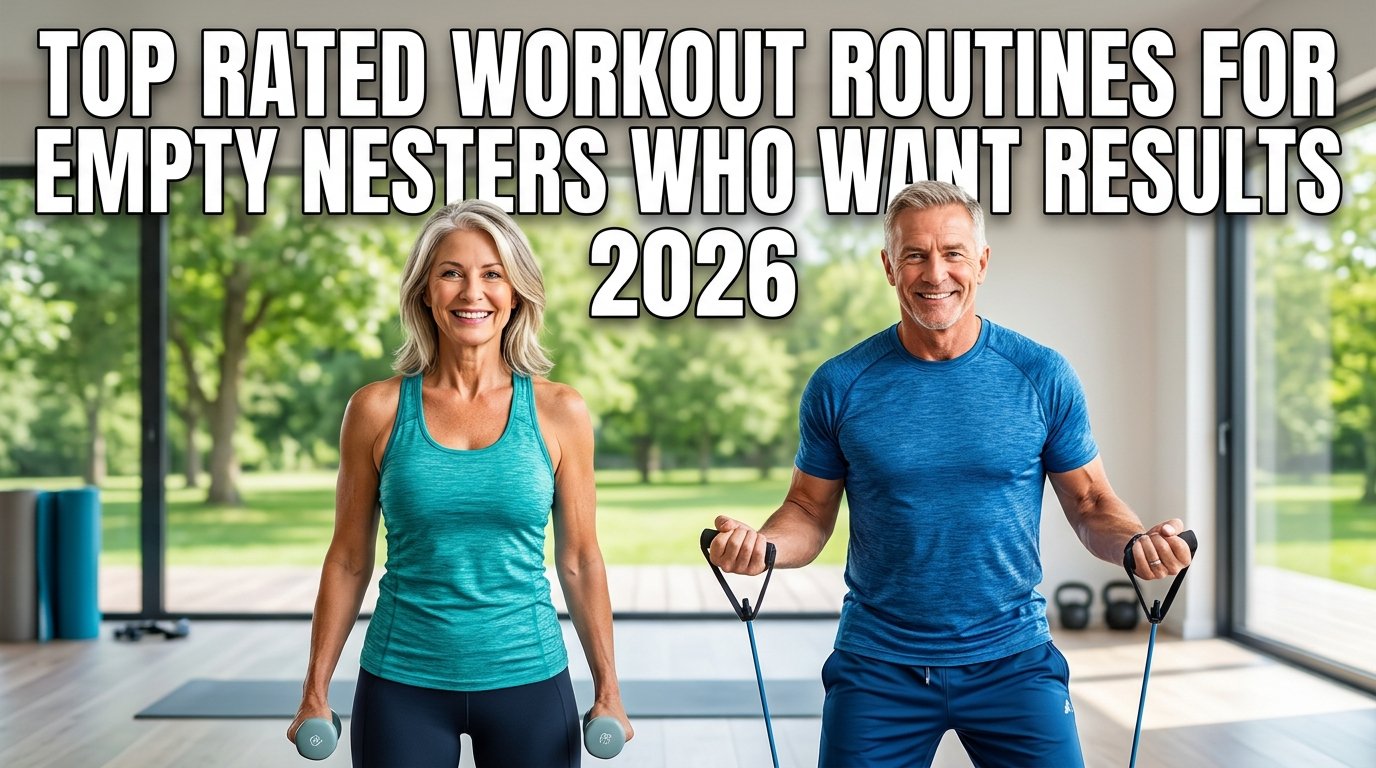
Top Rated Workout Routines for Empty Nesters Who Want Results
When I started searching for top rated workout routines for empty nesters, I wasn’t looking for six-pack abs or marathon training. I just wanted to stop feeling like a deflated balloon the moment my youngest drove off to college. That quiet house hit different, and my body felt like it had been on autopilot for twenty years. Turns out, I wasn’t alone. Millions of parents in their 40s, 50s, and 60s face this exact crossroads where suddenly the schedule opens up and the question becomes: now what do I do with all this time and all these creaky joints?
1. Walking Programs With Progressive Mileage
This sounds basic, and that’s exactly why it works. After years of sitting at soccer games and driving carpool, my cardiovascular fitness was embarrassingly low. I started with a simple three-day-a-week walking plan using the MapMyWalk app, tracking distance and gradually adding half a mile each week.
Within six weeks, I was covering four miles per session and sleeping better than I had in a decade. Walking doesn’t stress your knees the way running can, and you can do it anywhere without a gym membership. If you add a weighted vest (I use a 10-pound one from Amazon), you turn a casual stroll into a legit calorie burner. My neighbor Nancy, who’s 58, started the same program and dropped two pant sizes in three months without changing her diet at all.
2. Yoga for Flexibility and Mental Clarity
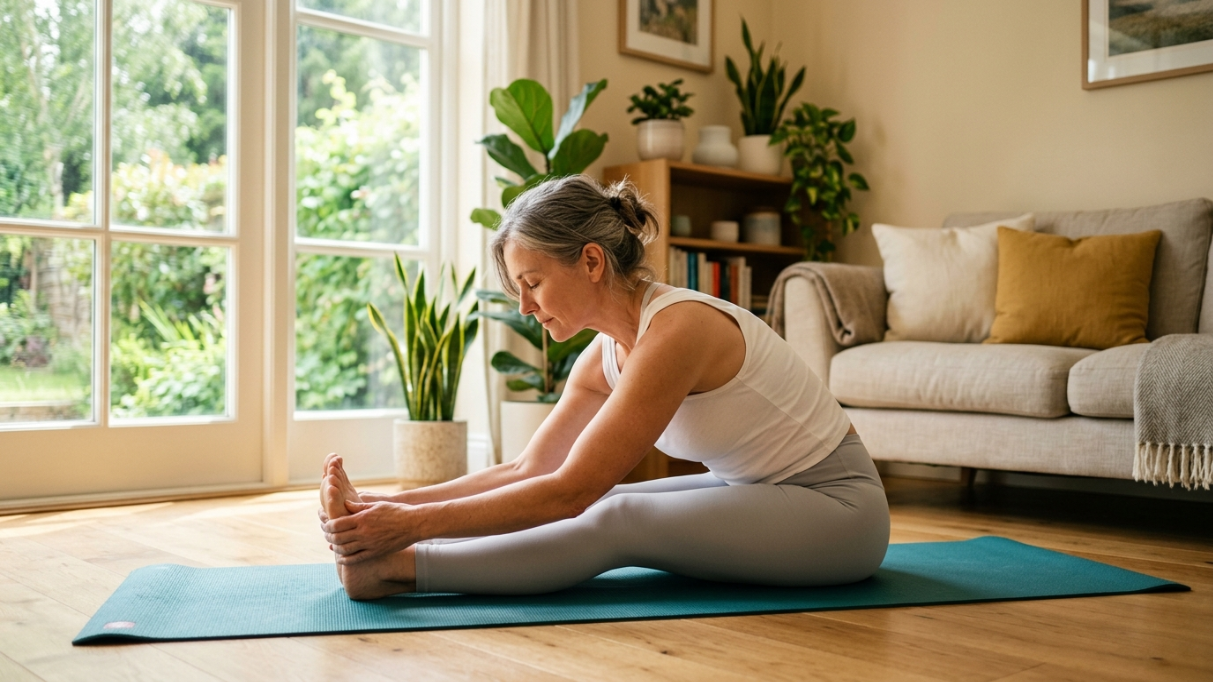
The empty nest comes with emotional weight that nobody warns you about. Yoga gave me a place to process that. I tried Yoga With Adriene on YouTube first because it was free and her style felt like working out with a friend, not a drill sergeant.
I committed to her 30-day programs and noticed my lower back pain fading by week two. Yoga builds flexibility, balance, and core strength simultaneously, which matters more after 45 than any amount of bicep curls. The mental clarity was a bonus I didn’t expect. Hot yoga classes at my local CorePower studio became my Saturday morning ritual once I built enough confidence at home. If you haven’t touched your toes since 1998, start here.
3. Strength Training With Dumbbells at Home
Muscle loss after 40 is real. It’s called sarcopenia, and it accelerates faster than most people realize. I bought a set of adjustable Bowflex SelectTech dumbbells and followed a three-day split routine I found on the DAREBEE website, which offers free illustrated workout plans.
Monday was upper body. Wednesday was lower body. Friday was full body. Each session took about 35 minutes. After two months, I could carry all my groceries in one trip without feeling like I needed a chiropractor. Strength training also boosts bone density, which is critical for empty nesters, especially women approaching or past menopause. You don’t need a fancy home gym. A pair of dumbbells, a bench, and consistency will change how your body looks and feels within weeks.
4. Swimming and Water Aerobics
My wife suggested water aerobics and I laughed. Then I tried it. I stopped laughing about forty seconds in when my shoulders were on fire and my heart rate was through the roof. Water provides natural resistance without the joint impact, making it one of the top rated workout routines for empty nesters dealing with arthritis, old injuries, or chronic pain.
Most local YMCAs and community recreation centers offer water aerobics classes specifically designed for adults over 40. I go twice a week now, and the social component is genuinely wonderful. You meet people in the same life stage, share stories, and hold each other accountable. Swimming laps on your own works too if group settings aren’t your thing. Either way, the pool is an underrated powerhouse for full-body fitness.
Also Read: Foolproof Workout Plans for Indecisive Beginners 2026
5. Cycling, Both Indoor and Outdoor
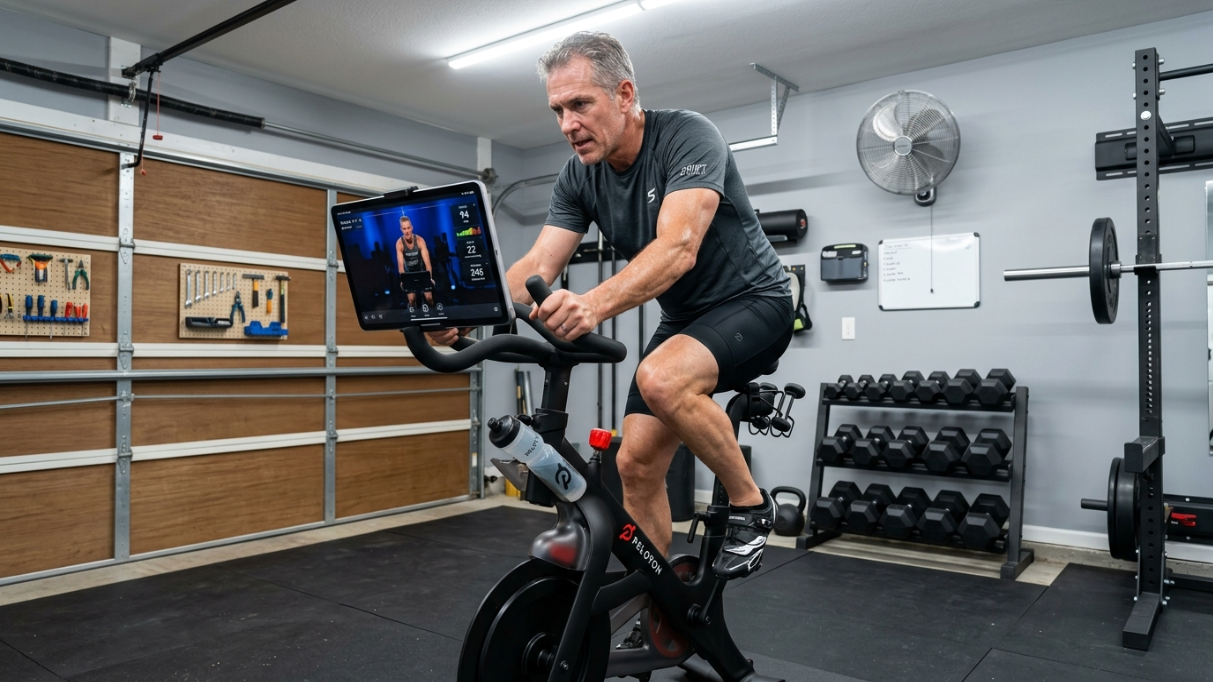
When the kids left, I reclaimed the garage and set up a Schwinn IC4 spin bike. Best $800 I’ve spent in years. I pair it with the Peloton app (you don’t need their bike to use it), and the instructors keep me pushing harder than I would on my own.
Outdoor cycling became my weekend adventure. I joined a local casual riding group through Facebook, and we do 15 to 25 mile rides on Saturdays. Cycling is low impact on joints but high impact on cardiovascular health. It strengthens your quads, hamstrings, and glutes without pounding your knees into dust. If you haven’t been on a bike since your kids outgrew theirs, start with 20-minute indoor sessions and build from there. The endorphin rush is addictive in the best way.
6. Pilates for Core Strength and Posture
Years of hunching over laptops, car seats, and kitchen counters left my posture looking like a question mark. Pilates fixed that. I started with a beginner mat Pilates series on the Club Pilates app and immediately felt muscles I forgot existed. My deep core stabilizers, the ones that actually protect your spine, finally woke up.
Pilates is particularly effective for empty nesters because it focuses on controlled movement and alignment rather than speed or heavy loads. You rebuild your body’s foundation instead of just throwing weight around. I do three 30-minute sessions a week, and my chiropractor noticed the difference before I even mentioned I’d started. Studio classes are great too if you want reformer work, but mat Pilates at home with a $15 mat gets the job done.
7. Group Fitness Classes at Your Local Gym
Something weird happens when the kids leave. Your social calendar shrinks overnight. Group fitness classes solve two problems at once: they get you moving and they get you around people. I signed up for a Planet Fitness Black Card membership and started attending their BodyPump and kickboxing classes.
The energy of a room full of people working out together pushes you past the point where you’d normally quit at home. Most gyms offer classes tailored to different fitness levels, so you won’t walk into an advanced session and feel lost. Les Mills programs, available at many chain gyms, are especially well-structured for adults returning to fitness. I’ve made three genuine friendships through group classes, which honestly matters as much as the physical results at this stage of life.
8. Tai Chi for Balance and Stress Reduction
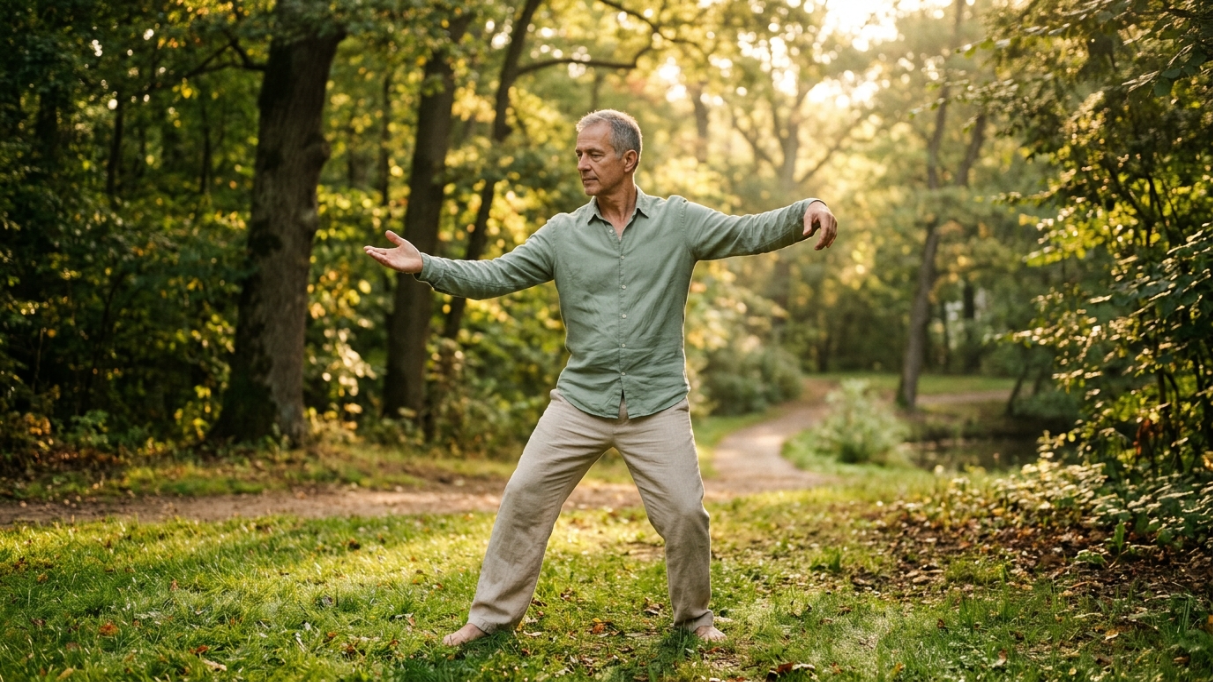
My dad fell at 67 and broke his hip. That scared me enough to start thinking about balance training before I actually needed it. Tai Chi looked slow and gentle from the outside, but the deliberate weight shifting and controlled movements challenged my stability in ways I didn’t anticipate.
I found a local instructor through the Tai Chi Foundation website and attended a beginner class twice a week. The emphasis on breath control and mindful movement lowered my resting heart rate and reduced my overall stress levels. Research from Harvard Medical School consistently ranks Tai Chi among the top rated workout routines for empty nesters and older adults concerned about fall prevention. It’s meditative, it’s physical, and it requires zero equipment. Start with a class so someone can correct your form before practicing at home.
9. Hiking With a Purpose
Once I had the house to myself, weekends opened up in a way they hadn’t since my twenties. I downloaded the AllTrails app and started exploring trails within an hour’s drive. Hiking combines cardio, leg strength, and mental health benefits into one activity that doesn’t feel like exercise.
I started with easy, flat trails and graduated to moderate elevation gains over a few months. The sense of accomplishment at the top of a ridge, looking out over a valley, filled a gap that the empty nest had created. I now do one serious hike per week and two shorter nature walks. The uneven terrain strengthens your ankles and improves proprioception, which is your body’s ability to sense where it is in space. Pack a good pair of trail shoes (I swear by Merrell Moab 3s) and plenty of water. Your body and your mind will thank you.
10. Functional Fitness Training
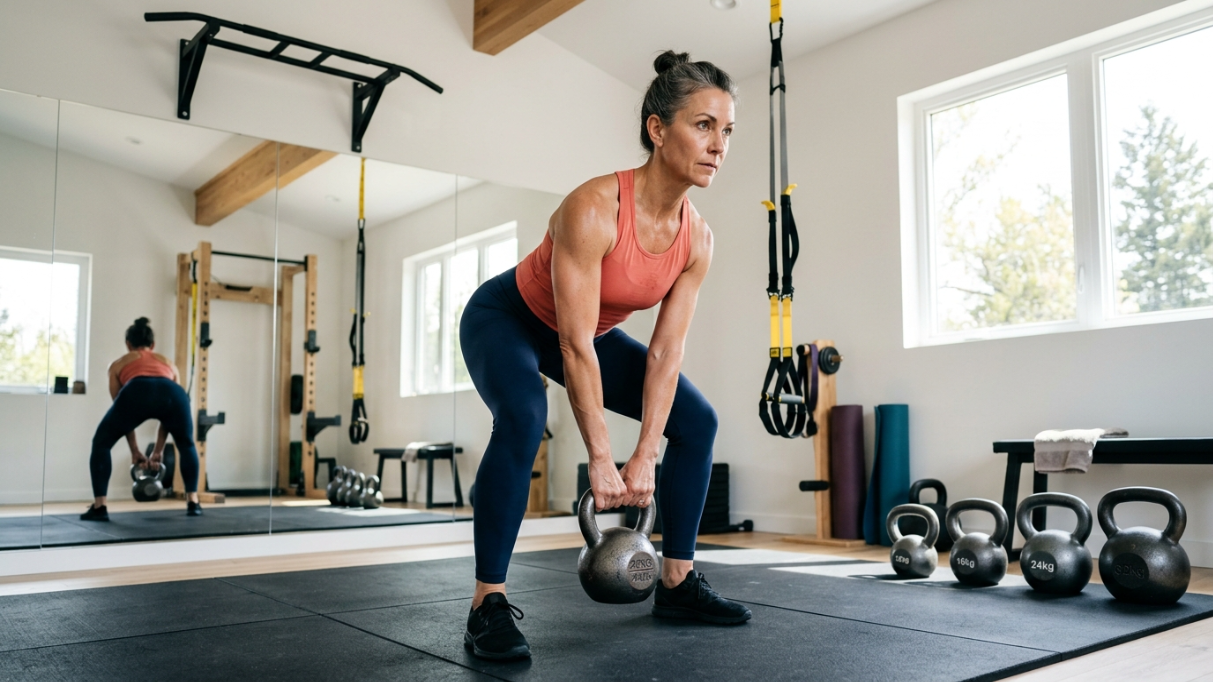
This one changed how I think about working out entirely. Functional fitness focuses on movements you actually use in daily life: squatting, lifting, reaching, twisting, carrying. Programs like TRX suspension training or kettlebell circuits train your body to handle real-world tasks without getting hurt.
I follow a functional fitness plan from the ACE Fitness website three times per week. Each workout includes squats, lunges, push-ups, rows, and rotational movements. The sessions run about 40 minutes. After six months, I noticed I could haul mulch, rearrange furniture, and play with my friend’s grandkids without wincing the next day. For empty nesters, this is the most practical approach to fitness because it prepares you for the next 20 to 30 active years of your life, not just for looking good at the beach.
How to Pick the Right Routine for Your Body and Goals
Not every workout on this list will suit every person, and that’s fine. If you have joint issues, start with swimming, yoga, or Tai Chi. If your main concern is bone density and muscle loss, prioritize strength training and functional fitness. If loneliness is the real problem, group classes and hiking groups will serve you better than any solo home workout.
The best approach I’ve found is combining two or three of these into a weekly schedule. I personally rotate between strength training, cycling, and yoga across six days with one full rest day. That combination covers cardiovascular health, muscle maintenance, flexibility, and mental well-being. Talk to your doctor before starting anything intense, especially if you’ve been sedentary for a while. A single checkup can save you months of recovery from an avoidable injury.
Frequently Asked Questions
What are the top rated workout routines for empty nesters just starting out?
Walking programs, beginner yoga, and water aerobics are the safest starting points if you haven’t exercised regularly in years. They’re low impact, easy to scale up gradually, and gentle on joints that haven’t been stressed in a while. Start with three sessions per week and add intensity or duration only after you feel consistently comfortable.
How often should empty nesters work out each week?
Aim for four to five sessions per week, mixing cardio and strength training. The CDC recommends 150 minutes of moderate aerobic activity plus two days of muscle-strengthening exercises weekly for adults over 50. Rest days matter too, so don’t feel guilty about taking one or two each week for recovery.
Can I build muscle after 50?
Absolutely. Your body still responds to progressive resistance training at any age. Studies published in the Journal of Strength and Conditioning Research confirm that adults over 50 can gain significant muscle mass with consistent strength training. Start lighter than you think you need to and increase weight gradually every two weeks.
Do I need a gym membership or can I work out at home?
Either works. Home workouts with dumbbells, resistance bands, or bodyweight exercises are effective and convenient. A gym offers equipment variety and social motivation. Many people I know do both, using home workouts during the week and attending a group class on weekends for community and accountability.
What’s the best workout for empty nesters with bad knees?
Swimming, cycling, and Pilates put minimal stress on knee joints while still delivering strong fitness results. Avoid high-impact activities like running or jump-based exercises until you’ve strengthened the muscles around your knees. A physical therapist can also design a knee-specific strengthening routine that complements your main workouts.
How long before I see results from a new workout routine?
Most people notice improved energy and sleep within two weeks. Visible physical changes typically show up around the six to eight week mark with consistent effort. Strength gains often come faster than aesthetic changes, so track what you can lift or how far you can walk rather than obsessing over the scale early on.
Conclusion
The empty nest doesn’t have to mean an empty purpose. These routines gave me back energy, confidence, and a social life I didn’t know I was missing. Which one are you going to try first?